Affordable San Diego Home Remodeling Services for Interior Renovations
Sustainable Home Remodeling: Eco-Friendly Solutions From Trusted Builders
Sustainable home remodeling is becoming steadily relevant as homeowners seek eco-friendly solutions. Trusted builders are essential in this process, offering expertise in state-of-the-art materials and energy-conserving technologies. These professionals assist homeowners through sustainable design principles and water conservation strategies. As the demand for greener living spaces grows, the approaches taken in these renovations can lead to significant benefits. What specific eco-friendly solutions can homeowners expect to explore in their remodeling projects?
Innovative Eco-Friendly Materials for Your Renovation
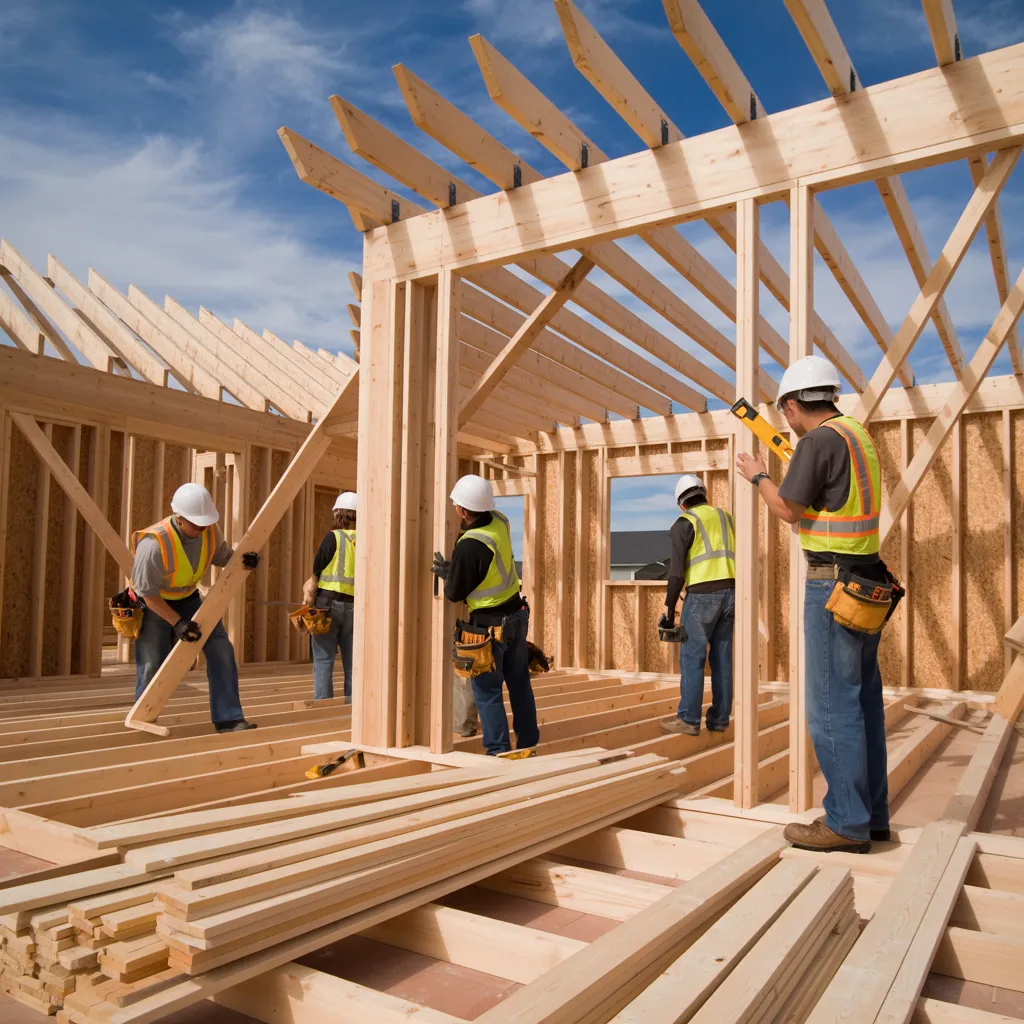
In the field of sustainable home remodeling, cutting-edge green materials play an important role in reducing environmental impact. These materials not only lower carbon footprints but also promote better living environments. Bamboo, known for its fast growth, serves as a sustainable alternative to traditional hardwood. Reclaimed wood, sourced from old structures, adds character while avoiding deforestation. Additionally, recycled metal and glass are increasingly utilized in construction, providing durability without the need for new raw materials.
Moreover, low-VOC (volatile organic compounds) paints and finishes contribute to enhanced interior air quality by limiting harmful pollutants. Thermal insulation constructed from recycled denim or cellulose offers energy efficiency and coziness. As homeowners prioritize sustainability, the demand for these innovative materials keeps growing, paving the way for environmentally friendly designs. Ultimately, the incorporation of such substances enhances not just visual appeal but also promotes a more responsible method to home remodeling.
Energy-Conserving Systems to Decrease Operating Costs
As homeowners check article work to reduce utility costs while adopting sustainability, energy-efficient technologies have become a vital component in modern remodeling projects. These technologies not only decrease energy consumption but also improve the overall comfort of living spaces. Smart thermostats, for instance, refine heating and cooling, adjusting for homeowners' schedules and preferences to cut down on unnecessary energy use.
Energy Star approved energy-efficient appliances use considerably less electricity and water compared to their traditional counterparts, resulting in considerable savings throughout time. Additionally, LED lighting offers an extended lifespan and decreased energy consumption than traditional bulbs, presenting an eco-friendly lighting solution.
Using advanced insulation materials can further reduce heating and cooling requirements, fostering a more energy-saving environment. As people progressively emphasize environmental responsibility, these solutions represent a practical and impactful method to lowering utility costs while adding to a greener future.
Eco-Conscious Architecture Principles for a Greener Home
What criteria direct the formation of a truly sustainable home? At the core of sustainable design is a commitment to limiting environmental impact while improving quality of life. First, the use of renewable materials is essential; builders prioritize locally sourced, recycled, or rapidly renewable resources. Second, energy efficiency drives design decisions, supporting the integration of passive solar techniques and strategic insulation to reduce reliance on artificial heating and cooling. Third, sustainable homes stress natural light and ventilation, encouraging healthier indoor environments. Additionally, flexibility in design facilitates future modifications without extensive renovations, cutting down waste. Finally, the integration of green spaces, such as native landscaping, fosters biodiversity and improves air quality. By adhering to these principles, builders guarantee that homes are not just functional and visually satisfying but also environmentally responsible, thereby paving the way to a greener future.

Water Saving Solutions for Remodeling Undertakings
How can property owners successfully integrate water preservation into their remodeling undertakings? One of the most impactful strategies includes installing water-efficient fixtures, such as low-flow taps, showerheads, and double-flush toilets. These fittings can greatly decrease water consumption without compromising performance. Additionally, homeowners may consider the incorporation of rainwater harvesting systems, which collect rainwater for irrigation and non-potable uses, improving overall sustainability.
Landscaping serves an important purpose; picking drought-resistant plants and xeriscaping can decrease outdoor water consumption. Upgrading to smart irrigation systems can further optimize water use by adapting to weather conditions.
In addition, incorporating porous surfaces for driveways and patios enables rainwater to filter into the ground, decreasing runoff. By adopting these water conservation solutions, homeowners can make significant contributions to ecological responsibility while experiencing the advantages of lower utility bills. These strategies illustrate that thoughtful remodeling can integrate aesthetics with eco-conscious practices.
Partnering With Reputable Construction Experts for Green Remodeling
Collaborating with established contractors is essential for property owners looking to accomplish environmentally responsible renovations. These practitioners provide expertise in environmentally conscious supplies and power-efficient plans, guaranteeing that upgrades align with green practices. By working with contractors who emphasize green stewardship, property owners can gain novel solutions that decrease debris and boost energy conservation.
Moreover, reliable contractors often have established connections with suppliers of sustainable products, facilitating the procurement of high-quality products that minimize the ecological footprint. They can provide useful insights into regional building codes and requirements, ensuring adherence while advancing sustainability.
Solid communication between homeowners and builders is important to identifying specific green living goals. By exchanging preferences and budget constraints upfront, both parties can establish a personalized renovation plan that captures the homeowner's vision while maintaining eco-friendly principles. Ultimately, partnering with trusted builders gives homeowners to make informed choices that contribute to a greener future.
Frequently Requested Questions
What Are the Prices Connected to Sustainable Home Remodeling?
The financial commitment tied to green home renovation work fluctuate broadly, typically encompassing materials, labor, and design fees. Homeowners may invest more initially, but potential savings on energy bills and sustained advantages can counterbalance these expenses.
How Can I Locate Trusted Builders for Sustainable Projects?
Locating trusted construction companies for eco-friendly endeavors demands seeking endorsements from area environmental groups, reading digital reviews, checking licenses, and questioning interested construction specialists about their track record and commitment to green building methods.
Are There Tax Credits for Environmental Home Upgrades?
Yes, there are often tax incentives for eco-friendly home improvements. Property owners may be eligible for deductions or credits based on energy-efficient upgrades, clean energy systems, and other environmentally friendly improvements, depending on state and national guidelines.
Which Certifications Do You Need for Sustainable Renovation?
Typically, sustainable remodeling requires documentation such as construction, electrical work, plumbing, and sometimes particular environmental permits. Property dwellers should contact local regulations to verify observance with zoning laws and any sustainable building codes in their area.
What's the Right Strategy to Verify My Upgrade Adheres to Sustainability Standards?
To guarantee a remodel complies with sustainability standards, one should research local requirements, select eco-friendly materials, consult with qualified professionals, implement energy-efficient systems, and focus on designs that minimize waste and environmental impact throughout the project.